How Polymer80 Frames Are Manufactured
How Polymer80 Frames Are Manufactured
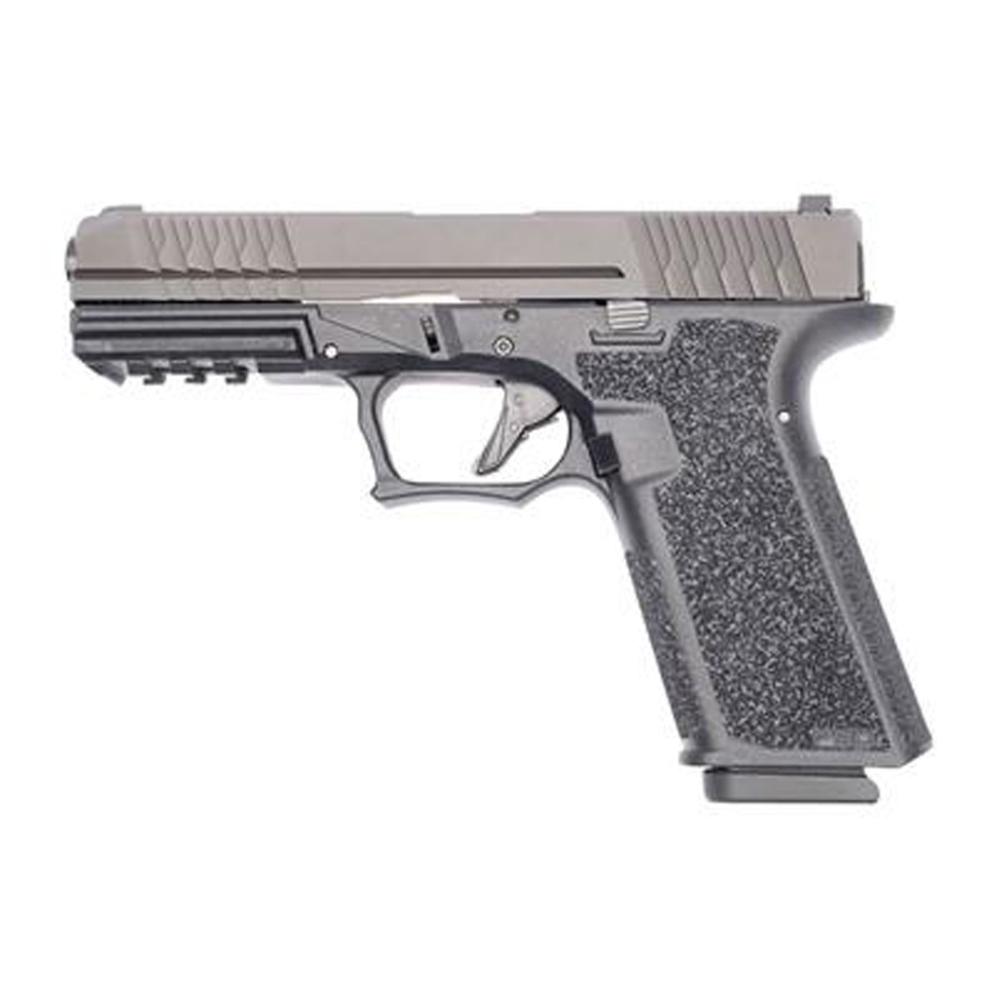
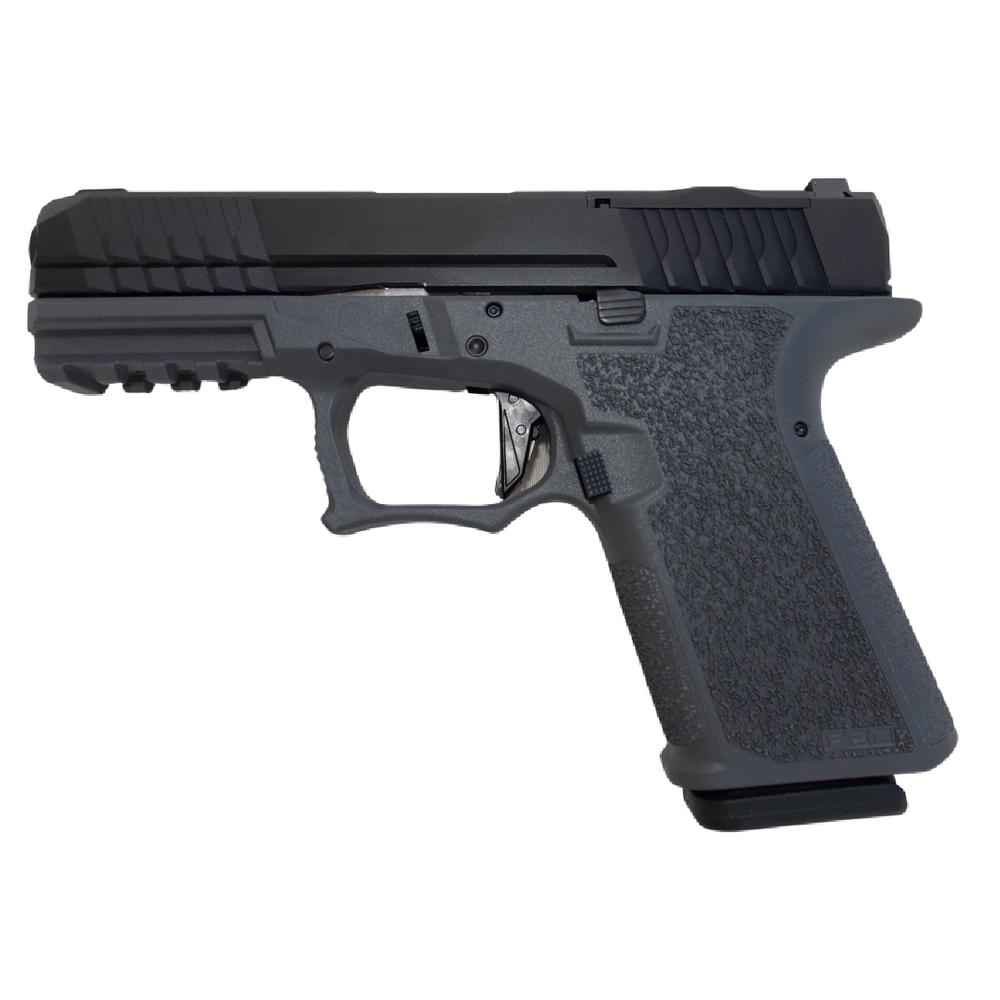
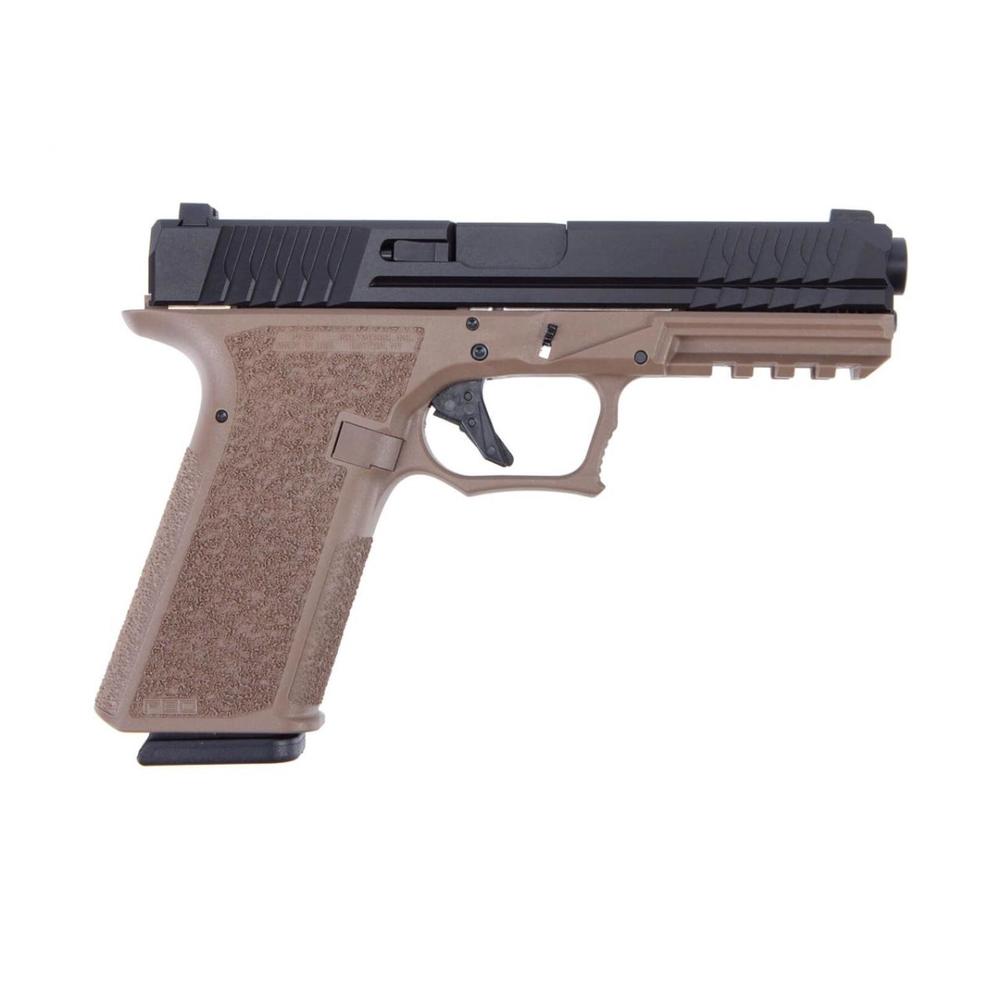
You’ve held a finished P80 frame, felt its texture, and seen the clean lines of the fire control cavity. But that part started as a blank sheet of engineering-grade polymer. The journey from raw material to a ready-to-finish frame involves precision injection molding, a process demanding tolerances measured in thousandths of an inch to ensure compatibility with OEM Glock® parts. Let’s strip away the mystery and look at the actual manufacturing steps.
The Core Process: Injection Molding
Polymer80 frames are created using high-pressure injection molding. The process begins with polymer resin pellets—typically a glass-filled nylon or similar robust compound—being fed into a heated barrel. A reciprocating screw mixes and melts the pellets into a viscous liquid, which is then injected under extreme pressure (often 10,000 to 30,000 psi) into a hardened steel mold, or “tool.” This tool is the heart of the operation; it’s a multi-ton block of machined steel with the exact negative impression of a PF940v2, PF940C, or PF45 frame. The polymer cools and solidifies in seconds before the mold opens and ejector pins push the raw “frame blank” out. This creates the basic shape with all its external geometry, including the iconic P80 grip texture.
Understanding the “80%”
State
Out of the mold, the frame is not functional. It’s in its “80%” state, a classification referring to the unfinished fire control cavity. The mold intentionally leaves this area as a solid block of polymer with guide holes. This solid block is the legal defining characteristic of an unfinished receiver. The mold also forms the rear rail system cavity and the front locking block channel, but these areas remain partially obstructed. All external features, like the Picatinny rail, slide rails, and pin holes, are fully formed. The precision here is critical; the distance between the front and rear rail mounting points, for instance, must be exact for proper slide fit. This is where Polymer80Builds sources frames that meet strict quality control from this molding process.
Critical Features Molded-In
A significant advantage of injection molding is the integration of structural components directly into the frame. The front and rear slide rail sections are not separate pieces glued in; they are monolithic with the frame. The polymer is molded around metal inserts for the rear rail system on models like the PF940C, creating a permanent, solid bond. The locking block pin holes and trigger pin holes are also molded as through-holes, ensuring proper alignment from the start. The textured grip and undercut trigger guard aren’t added later—they’re part of the tool design, resulting in consistent, repeatable ergonomics across every PF940SC or PF9SS frame produced.
Post-Molding: Cooling, Trimming, and Packaging
After ejection, the frame undergoes a cooling period to ensure dimensional stability. Next, technicians perform a process called “degating,” where the excess plastic sprues and runners—the channels that fed molten polymer into the mold—are trimmed off. This is often done by hand with specialized tools to leave a clean finish. Each frame is then visually inspected for flaws like short shots (incomplete fills) or surface blemishes. Frames that pass inspection are paired with their corresponding Jig (like the PF940v2 Jig) and rail kit, then packaged for distribution to retailers like Polymer80Builds. The jig itself is a separate, precision-molded component critical for the next phase: the builder’s completion work.
How are polymer 80 frames made?
They are manufactured through high-pressure injection molding. Engineering-grade polymer resin is melted and forced into a precision steel mold that forms the frame’s shape, including its grip texture and rail systems, while leaving the fire control cavity as a solid block. After cooling and trimming, the unfinished frame is paired with a completion jig and rail kit.
What is a polymer 80 frame?
A Polymer80 frame is an unfinished firearm receiver, typically for a Glock-style pistol, that is 80% complete and not classified as a firearm by the ATF. It is made from a durable, glass-filled polymer and requires the end user to complete the final machining steps, specifically milling out the fire control cavity using the provided jig, to create a functional frame.
How to finish a polymer 80 frame?
You finish a P80 frame by securing it in the manufacturer-provided jig and using a drill press or hand drill to create the pin holes. Then, you use a hand router or end mill to remove the polymer tabs in the fire control cavity and the channel for the rear rail module. Finally, you install the included rail kit and all other firearm components.
Browse our polymer80 frames collection
Last updated: April 05, 2026